Starting a D&D Podcast With No Experience
Starting a Dungeons and Dragons podcast with zero industry experience is equal parts terrifying and electric. There is no secret door into the space, no official checklist that turns passion into a polished production. You begin with enthusiasm, a microphone that may or may not be the right one, and a very loud internal voice asking why you thought this was a good idea. That uncertainty never fully goes away, but it sharpens you. It forces you to learn fast, adapt constantly, and build something honest rather than something engineered to chase trends.
The first hurdle is technical, and it hits hard. Audio is unforgiving. You can have the best story, the most compelling characters, and a table full of chemistry, but if your audio crackles, clips, or sounds like it was recorded in a tin shed, listeners will bounce. Most new creators learn this the painful way. You discover gain staging after your first episode is already live. You learn what plosives are after ruining a take. You realize too late that Discord compression and cheap USB mics do not play nicely together. Every mistake becomes a lesson because there is no production team waiting to catch you when you fall.
Confidence is the next wall, and it is taller than the technical one. Recording your first session feels strange. Recording your second feels worse. You hear your own voice and wonder if anyone would willingly listen to this. You question your pacing, your rulings, your narration, and whether your table energy translates beyond the room. This is where many shows die quietly. The trick is understanding that confidence does not arrive before you start. It is forged by repetition. Each episode teaches you how to speak more clearly, when to pause, how to let moments breathe, and how to trust silence as much as dialogue.
Growth at the beginning is slow, and it should be. Early downloads are not a verdict on quality. They are a reflection of discoverability, not worth. A new podcast exists in a sea of established actual plays with massive followings and polished brands. Comparing yourself to them too early is a mistake that drains momentum. The goal at the start is consistency, not virality. Showing up every week builds skill. Skill builds confidence. Confidence builds identity. Identity eventually attracts an audience that stays.
One of the most unexpected challenges is learning how many roles you suddenly occupy. You are not just a Dungeon Master or a player anymore. You are an audio editor, a social media manager, a graphic designer, a scheduler, and a marketer. You learn what RSS feeds are. You learn why file naming conventions matter. You learn that uploading an episode is the easiest part of the process. Promoting it without sounding desperate or spammy is much harder. Every small win feels earned because every piece of the pipeline runs through you.
What makes the journey worth it is the moment when the project becomes bigger than your doubts. When listeners comment on a scene that hit them emotionally. When someone recognizes a recurring NPC or faction. When your players lean into the world harder because they know people are listening. That feedback loop turns the show into a living thing. It stops being just a recording and starts becoming a shared experience between table and audience.
Starting a D&D podcast without industry experience strips away the illusion that success comes from knowing the right people. It comes from persistence, humility, and a willingness to sound bad before you sound good. You earn your voice episode by episode. You build trust with your audience by being consistent and authentic. Most importantly, you learn that the story does not need to be perfect to be worth telling. It just needs to be honest, committed, and alive at the table.
When you look back after 2 dozen episodes, the early mistakes stop feeling embarrassing. They become proof that you started. And in a space where so many people are waiting for permission or perfection, starting is the rarest skill of all.
And most of all, I wouldn't change all of it for the world.
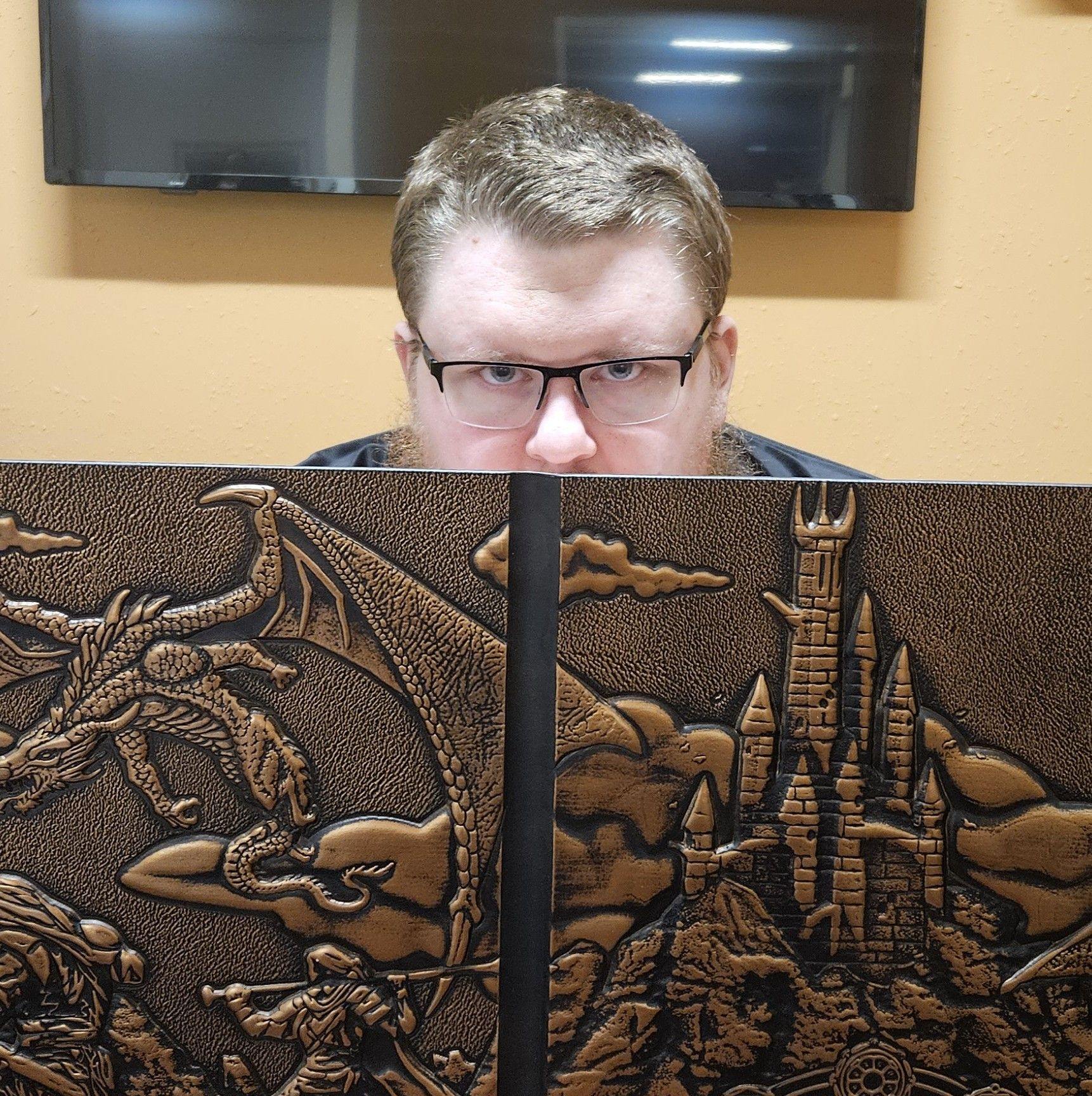
Host & Creator of Crit Happens
He is a lifelong gamer with a strong love for immersive worlds and shared experiences. He spends a lot of time in Fortnite for fast, competitive chaos, Baldur’s Gate III for deep storytelling and meaningful choices, and Phasmophobia for its tense teamwork and atmosphere. He is a huge nerd at heart and enjoys getting lost in lore, systems, and the small details that make games feel alive.
Music plays a constant role in his life. His taste pulls from many genres and moods, shifting with the moment rather than sticking to a single style. If a song has energy or emotion, it earns a place in his rotation.
He is a first time Dungeon Master running his first full campaign. Learning how to guide players, manage rules, and build memorable moments has been both challenging and deeply rewarding for him. At his core, he values connection. He loves meeting new nerds, sharing stories, and building community around a shared love of games and tabletop storytelling.
Why Community Matters More Than Numbers