How to Plan Sessions When Players Ignore The Obvious Path
Every Dungeon Master learns this lesson sooner or later. You draw the map. You seed the rumors. You place the quest hook directly in front of the party. Then the players look at it, nod politely, and walk in the opposite direction.
This is not a failure of planning. This is the table doing exactly what it should do.
The mistake most DMs make at this moment is assuming the session has gone off the rails. In reality, rails only exist if you laid them down in the first place. The goal is not to predict what players will choose. The goal is to be prepared when they choose something else.
In Crit Happens, this philosophy exists by design. Virelios was built to move whether the party acts or not. Factions make decisions. Contracts expire. Pressure builds. When players turn away from the obvious path, the world does not pause to wait for them. It responds.
Session prep starts with intent, not scenes. Instead of planning a series of moments in a fixed order, prep focuses on forces in motion. Who wants something. Who stands in the way. What happens if the party does nothing. Once those elements exist, the path becomes flexible without losing weight.
This is where modular design matters. Encounters are not tied to locations unless they need to be. Information is not locked behind a single NPC. If a faction wants the party dead, that threat follows them regardless of which tavern they choose. If a contract has a deadline, the clock keeps ticking even when the party gets distracted.
In Virelios, this shows up through Syndicate work. Contracts are tools, not commands. When agents ignore a mission, the consequences ripple outward. Another team takes the job. A rival faction gains ground. Resources dry up. The world records the absence as clearly as it records action.
Mechanically, this approach reduces wasted prep. Instead of writing five pages of content for one possible route, prep focuses on reusable pressure. Stat blocks, environments, and complications can shift locations without feeling artificial. A patrol becomes an ambush. A negotiation becomes an interrogation. The fiction remains honest because the motivation stays consistent.
This also protects momentum at the table. When players sense the world reacting instead of redirecting, trust forms. They learn that choice matters even when it complicates things. The session keeps moving because nothing needs to be salvaged. There is nothing broken.
Ignoring the obvious path should never feel like punishment. It should feel like curiosity being met with consequence. The party chose differently. The world answered.
That is the difference between reacting and railroading. One preserves agency. The other replaces it.
Planning sessions this way requires a shift in mindset. You stop asking where the players will go and start asking what refuses to stay still. You stop building scenes and start building tension. When players surprise you, the session does not derail. It sharpens.
In Crit Happens, the best moments often come from paths no one expected. Those moments work because the foundation was never fragile. The world knew what it wanted long before the players decided what they did.
And that is the real secret. You do not need to predict the path. You need to prepare the pressure waiting at the end of whichever path they choose.
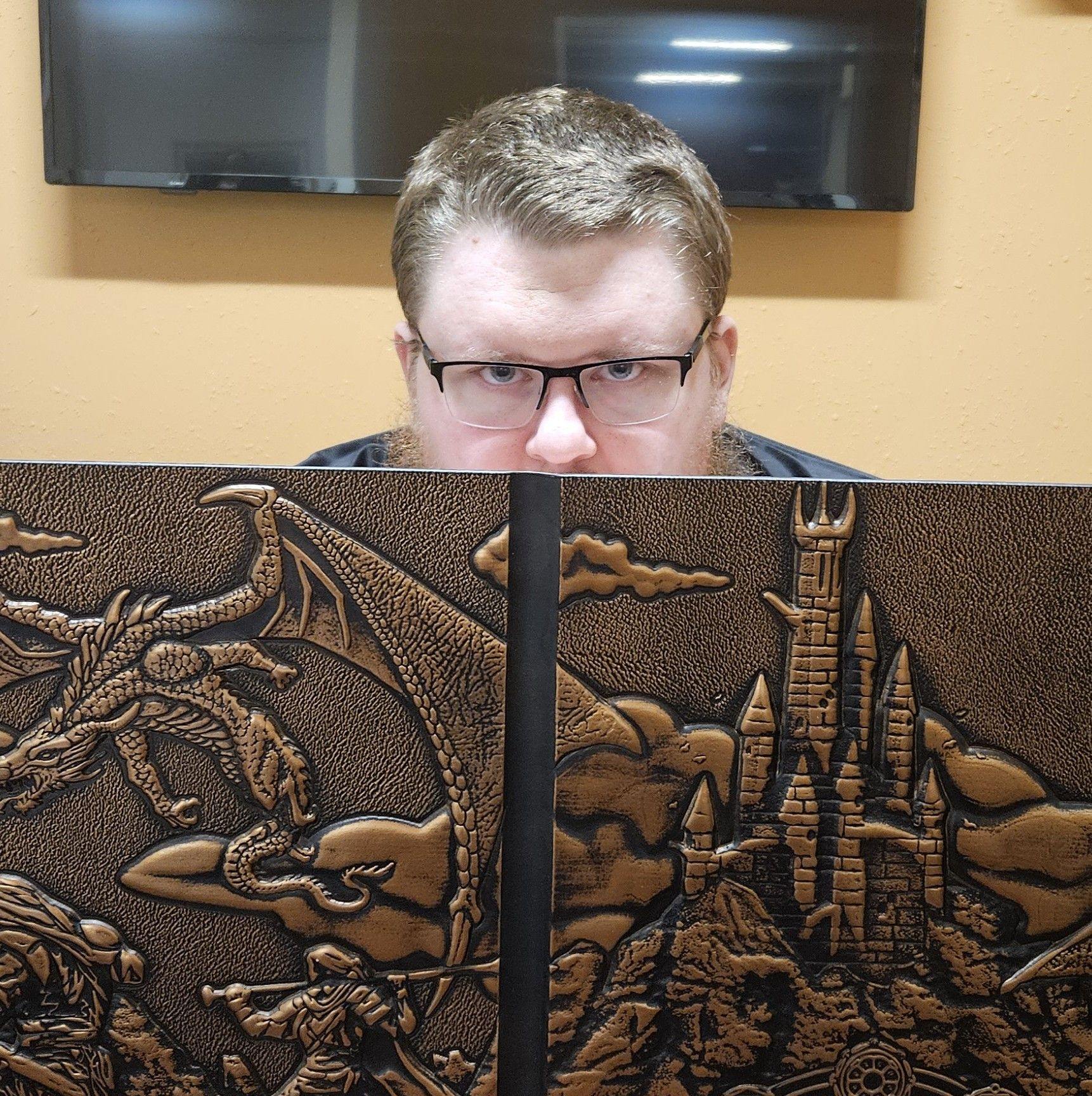
Host & Creator of Crit Happens
He is a lifelong gamer with a strong love for immersive worlds and shared experiences. He spends a lot of time in Fortnite for fast, competitive chaos, Baldur’s Gate III for deep storytelling and meaningful choices, and Phasmophobia for its tense teamwork and atmosphere. He is a huge nerd at heart and enjoys getting lost in lore, systems, and the small details that make games feel alive.
Music plays a constant role in his life. His taste pulls from many genres and moods, shifting with the moment rather than sticking to a single style. If a song has energy or emotion, it earns a place in his rotation.
He is a first time Dungeon Master running his first full campaign. Learning how to guide players, manage rules, and build memorable moments has been both challenging and deeply rewarding for him. At his core, he values connection. He loves meeting new nerds, sharing stories, and building community around a shared love of games and tabletop storytelling.
Why Community Matters More Than Numbers