Magic as Power, Not Convenience, in Virelios
In many D&D worlds, magic is treated like infrastructure. Need light? A cantrip. Need food? A spell slot. Need answers? A divination and a good night’s rest. Magic becomes a convenience layer over the world, smoothing friction instead of creating it. In Virelios, magic does the opposite. Magic is power, and power always leaves scars.
Magic in Virelios is not neutral. Every spell traces back, directly or indirectly, to the trauma of the Ashen Oracle and the fractures left behind when divine fire was bound, shattered, and misremembered. Even the most benign magic carries echoes of that event. When a cleric channels divine energy, they are not pulling from an infinite, clean source. They are opening a wound that never fully healed. When a wizard reshapes reality, they are asserting control over forces that remember being caged.
This changes how magic feels at the table. Casting a spell is not just a tactical decision. It is a statement. It tells the world who you are willing to bargain with and what you are willing to risk.
Mechanically, this philosophy shows up through cost. Magic asks for something in return. Shard exposure warps spellcasting over time. Repeated use of high level magic attracts attention from factions that monitor divine anomalies. Healing magic saves lives, but it also preserves bodies that were meant to fail, creating ethical and cultural tension around survival, duty, and memory. Resurrection is not miraculous convenience. It is controversial, regulated, and deeply political.
Societies in Virelios are shaped by this reality. Cities that rely heavily on magic do not feel utopian. They feel brittle. Arcane wards crack under pressure. Divine institutions fracture into sects arguing over what magic should be allowed, recorded, or erased. The Dominion of Fahlreach does not fear magic because it is dangerous. They fear it because it reveals truths they cannot control. The Bloomed Court embraces magic as art and illusion, reshaping identity until reality itself becomes negotiable. The Silent Veil treats magic as a language of echoes, something to be listened to rather than wielded.
Even everyday magic reshapes culture. A world where fire can be conjured changes how people cook, wage war, and remember loss. A world where memories can be altered changes how history is trusted. In Virelios, magic accelerates inequality. Those with access to safe spellcasting methods gain power quickly. Those without it pay the price when spells go wrong, when shards surface, or when divine fallout spills into civilian life.
For players, this framing makes magic meaningful again. Spell slots stop being fuel and start being leverage. The question is no longer “Can I cast this?” but “What does casting this say about my character?” A sorcerer’s power might be raw and inherited, but that inheritance carries consequences they did not choose. A cleric may heal allies flawlessly while knowing their god is fractured, silent, or lying. A warlock’s pact is not a shortcut. It is a debt with compounding interest.
This approach also gives DMs stronger narrative tools. When magic has weight, you do not need to inflate enemy hit points or stack encounters to raise stakes. The stakes are already present in every casting decision. The world reacts. Factions notice patterns. NPCs remember who solved problems with steel and who solved them with fire pulled from a broken god.
Magic as power forces restraint, creativity, and trust at the table. Players learn that choosing not to cast can be as impactful as unleashing their strongest spell. Victories feel earned because they were not inevitable. Losses feel meaningful because they came from choices, not punishment.
In Virelios, magic does not exist to make life easier. It exists to make the world sharper, louder, and more honest. Every spell bends reality, and reality always bends back.
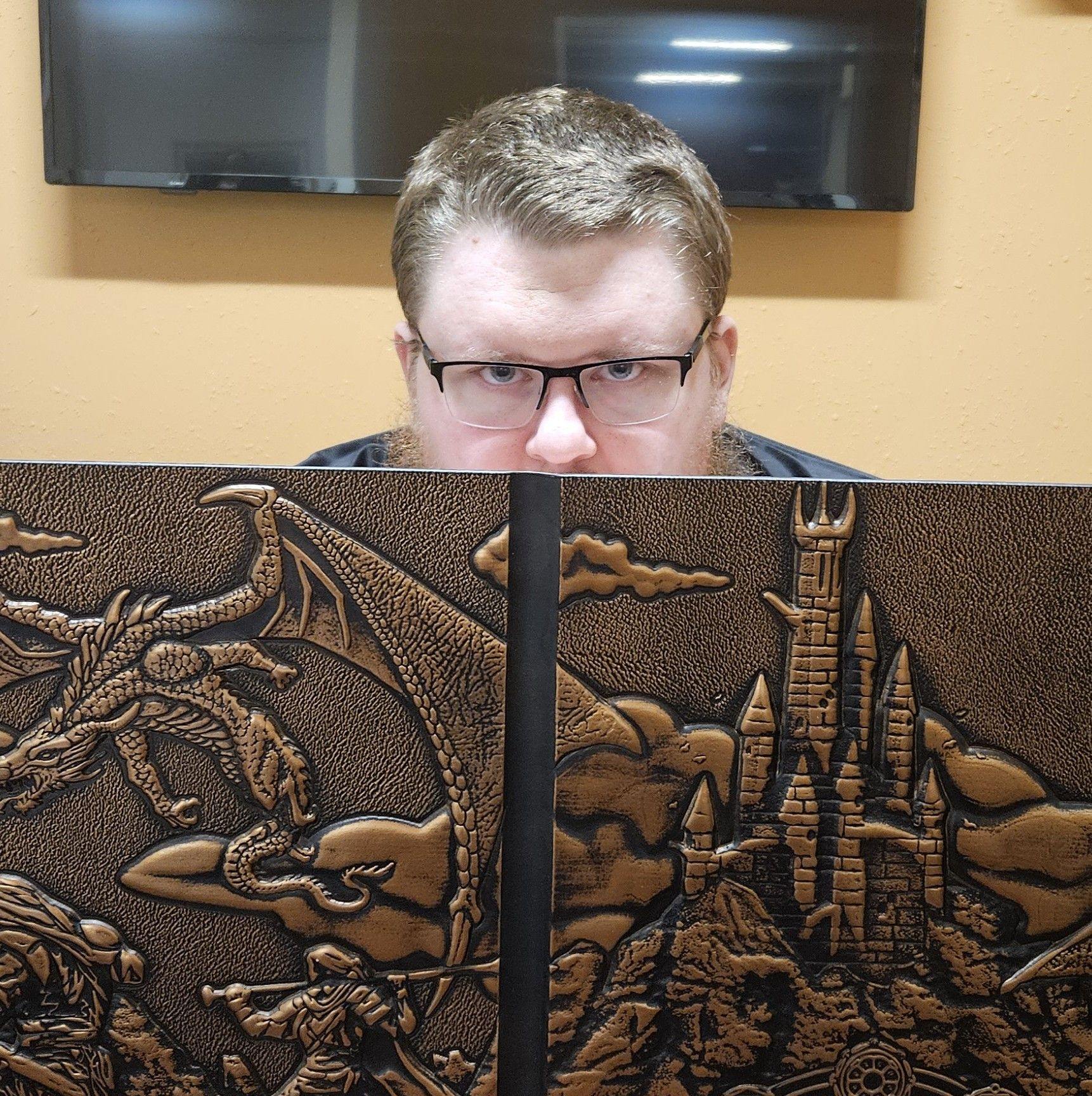
Host & Creator of Crit Happens
He is a lifelong gamer with a strong love for immersive worlds and shared experiences. He spends a lot of time in Fortnite for fast, competitive chaos, Baldur’s Gate III for deep storytelling and meaningful choices, and Phasmophobia for its tense teamwork and atmosphere. He is a huge nerd at heart and enjoys getting lost in lore, systems, and the small details that make games feel alive.
Music plays a constant role in his life. His taste pulls from many genres and moods, shifting with the moment rather than sticking to a single style. If a song has energy or emotion, it earns a place in his rotation.
He is a first time Dungeon Master running his first full campaign. Learning how to guide players, manage rules, and build memorable moments has been both challenging and deeply rewarding for him. At his core, he values connection. He loves meeting new nerds, sharing stories, and building community around a shared love of games and tabletop storytelling.
Why Community Matters More Than Numbers