Learning to DM by Watching Actual Plays
I did not learn how to Dungeon Master at a table. I learned by watching other tables survive their worst moments in public.
Before everything stopped, my experience with Dungeons and Dragons stayed small. I played one shots. I played convention games at Evercon in Wisconsin. I loved the chaos and the laughter, but nothing ever stayed long enough to change me. Running a campaign felt distant. Something other people did. Something that required confidence I did not think I had.
Then I ended up hospitalized, immobile, and cut off from momentum for months. When your world shrinks to hospital rooms and rehab schedules, you look for something that still feels alive. Actual play shows became that lifeline.
At first, I watched Critical Role for the same reason most people do. The characters were compelling. The story felt cinematic. Over time, my focus shifted away from the heroes and toward the person behind the screen. Watching Matt Mercer taught me what restraint looks like. He did not rush moments. He trusted silence. He let consequences land even when they hurt characters people loved. The world responded logically instead of emotionally.
That changed how I thought about Dungeon Mastering.
Then I found Dimension 20, and everything sharpened. Watching Brennan Lee Mulligan was like seeing the engine exposed. Stakes were explicit. Themes were intentional. Failure was never brushed aside. Brennan showed me that clarity does not kill drama. It amplifies it. When players understand what they are risking, they lean in harder.
Those two styles could not be more different on the surface, yet they shared something critical. Neither Dungeon Master protected the story from the table. The story survived because the table was allowed to break it and rebuild it.
That lesson mattered more than rules mastery.
As I branched out, I found shows like Dungeons and Daddies, where tone flexed freely and mechanics took a back seat to character. Watching a table lean into emotional absurdity without losing narrative cohesion showed me that seriousness is not required for impact. Commitment is. Even jokes have weight when characters believe in them.
Across all these shows, one pattern kept repeating. The best moments came from failure.
Missed rolls did not end scenes. Bad decisions did not derail campaigns. They created momentum. They forced adaptation. They gave the Dungeon Master something real to respond to instead of something planned. Watching that play out repeatedly stripped away my fear of things going wrong.
Actual plays taught me pacing through observation. When to cut a scene. When to let players argue. When to move on without resolution. They taught me how tension survives imperfect execution. They taught me that a Dungeon Master’s confidence comes from trusting the table, not controlling it.
When I finally began sketching out Crit Happens, I did not start with a plot. I started with principles borrowed from everything I had watched. The world should remember. Actions should echo. Failure should redirect rather than reset. The Dungeon Master should guide pressure, not dictate outcome.
Virelios grew directly out of those lessons. A world where factions move without the players. Where contracts replace prophecy. Where consequences are logged and remembered. That design philosophy came from watching Dungeon Masters let their worlds respond honestly instead of dramatically.
By the time Crit Happens launched, I still had not run a traditional long campaign.
That fact used to scare me. After hundreds of hours watching actual plays, it felt almost reassuring. I had seen tables recover from disasters. I had seen Dungeon Masters admit mistakes and keep going. I understood that campaigns are not about perfection. They are about momentum and recovery.
I still make mistakes. I misjudge pacing. I let scenes linger too long or cut them too short. The difference now is trust. I trust the table to carry the story forward. I trust failure to produce something worth following. I trust that the world does not need protection from the players.
Actual plays did not teach me how to be flawless.
They taught me how to continue.
If you are watching these shows and wondering if you are ready to Dungeon Master, you probably are closer than you think. Pay attention to what happens when things break. That is where the real lessons live.
That is how I learned to DM.
By watching others fall, adapt, and keep telling stories anyway.
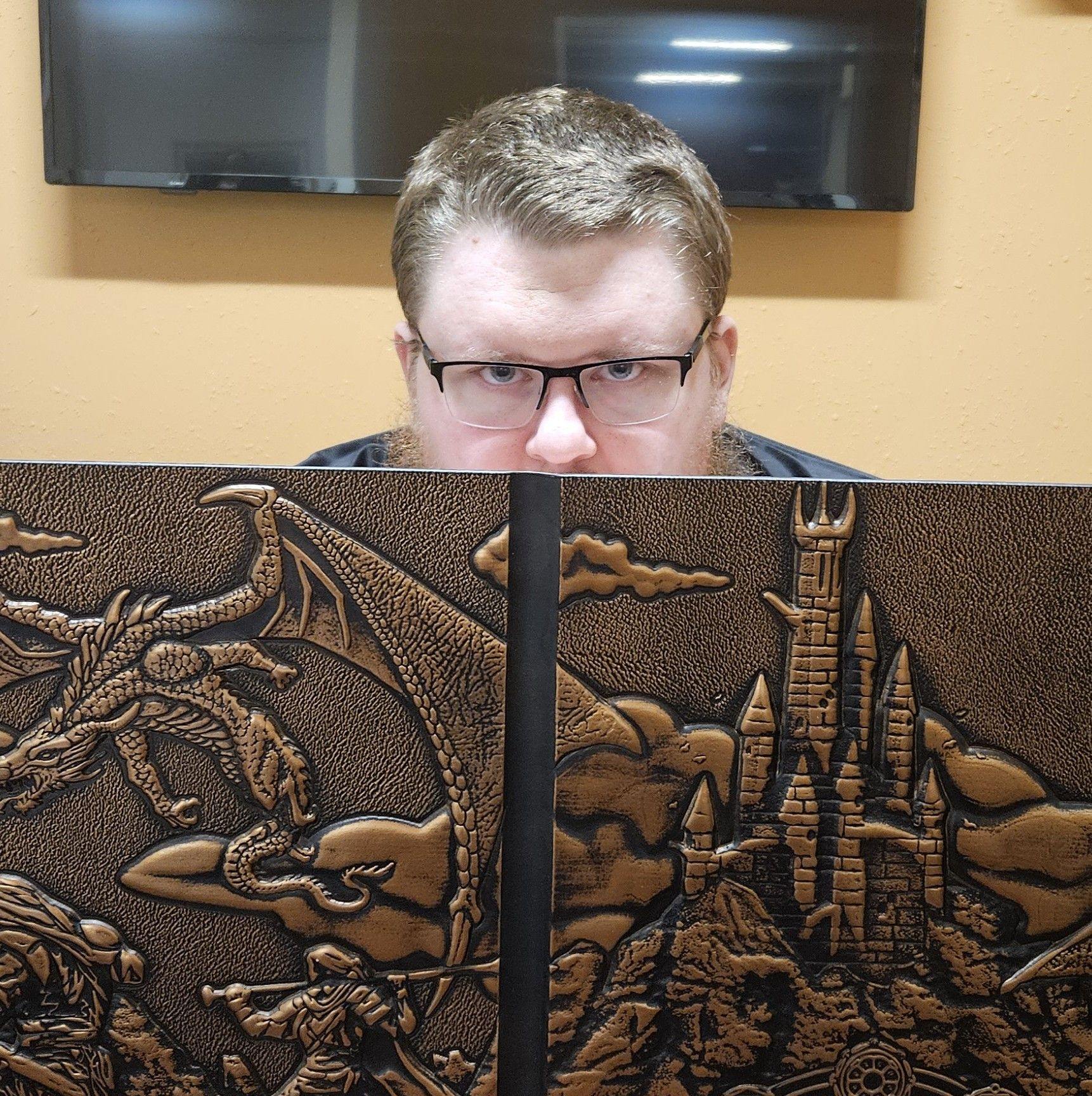
Host & Creator of Crit Happens
He is a lifelong gamer with a strong love for immersive worlds and shared experiences. He spends a lot of time in Fortnite for fast, competitive chaos, Baldur’s Gate III for deep storytelling and meaningful choices, and Phasmophobia for its tense teamwork and atmosphere. He is a huge nerd at heart and enjoys getting lost in lore, systems, and the small details that make games feel alive.
Music plays a constant role in his life. His taste pulls from many genres and moods, shifting with the moment rather than sticking to a single style. If a song has energy or emotion, it earns a place in his rotation.
He is a first time Dungeon Master running his first full campaign. Learning how to guide players, manage rules, and build memorable moments has been both challenging and deeply rewarding for him. At his core, he values connection. He loves meeting new nerds, sharing stories, and building community around a shared love of games and tabletop storytelling.
Why Community Matters More Than Numbers