Designing Factions That Act Without the Players
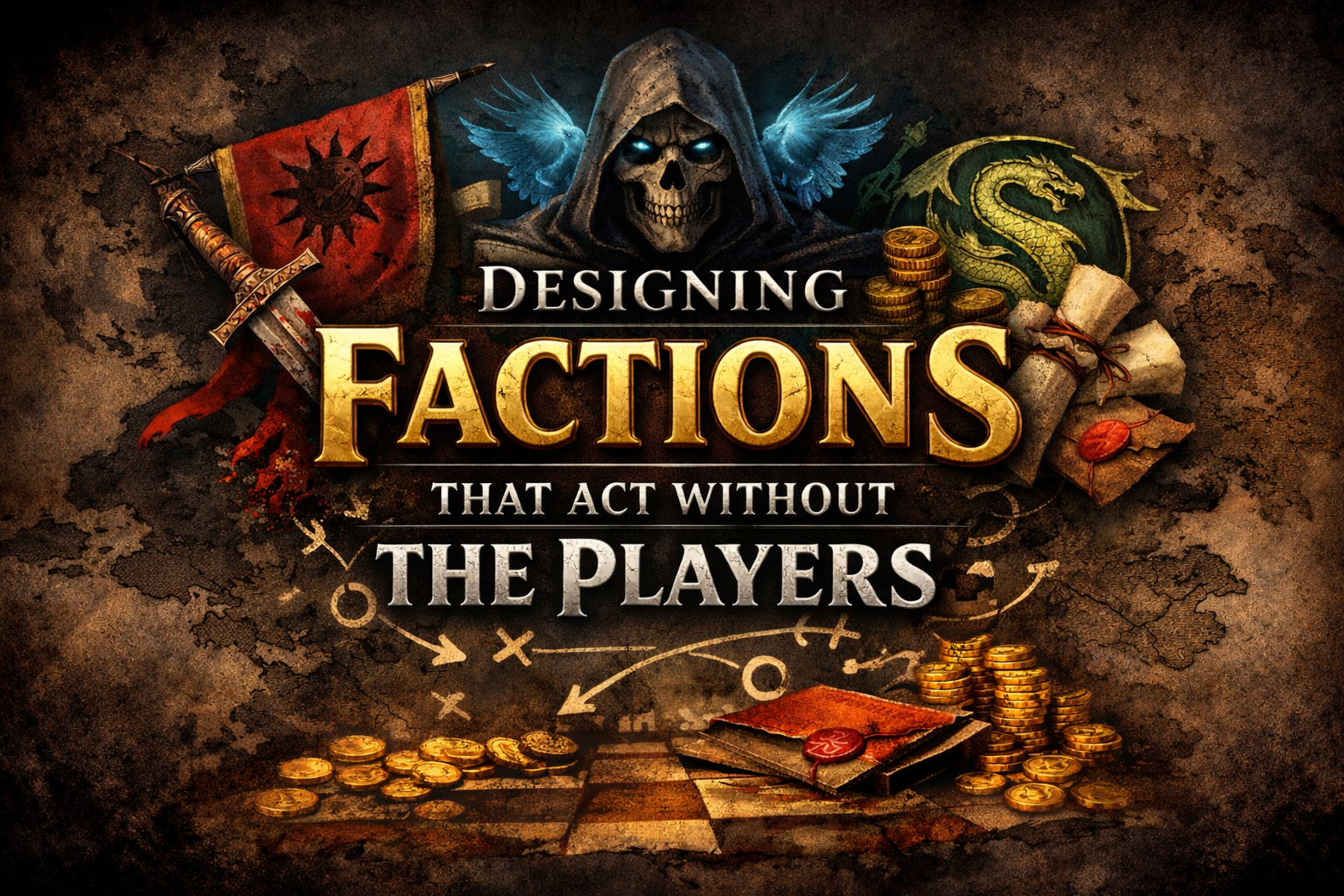
One of the fastest ways a D&D world feels artificial is when nothing happens unless the party is standing there to witness it. Kingdoms pause. Cultists wait patiently. Armies politely refuse to march until initiative is rolled. Players may not articulate it, but they feel it immediately. A world that only reacts instead of acts stops feeling alive and starts feeling staged.
In Virelios, factions do not wait for permission. They have goals, pressures, resources, and blind spots. The players are not the engine of history. They are thrown into it, forced to navigate currents already moving long before their characters arrived. That distinction changes everything about how tension feels at the table.
The first step in designing active factions is giving them momentum that exists independently of the party. Every major group needs something they are already doing right now. Not something they want someday. Not a vague endgame prophecy. Something tangible and measurable. In Virelios, the Dominion of Fahlreach is always consolidating control. The Hollow Host is always expanding influence through memory and silence. The Scalebound Syndicate is always balancing profit against survival. Even if the party does nothing for three sessions, those wheels continue turning. Locations change. NPCs vanish. New laws appear. Old safe routes become dangerous.
Momentum requires clocks, whether formal or informal. You do not need to show players a literal tracker, but you must track it yourself. If the party delays, something advances. If they interfere, something adapts. If they succeed, something else compensates. This ensures that inaction is a choice with weight, not a neutral state.
The second principle is factions must have internal conflict. A unified organization is predictable and boring. Real power structures fracture under stress. The Dominion is not a single voice. It is inquisitors, archivists, generals, clergy, and politicians who agree on order but disagree on method. When the players disrupt one arm, another responds in a way that may contradict it. This creates space for alliances that feel earned instead of scripted. It also prevents factions from collapsing the moment a single leader falls.
Internal conflict is what allows players to exploit systems rather than just fight them. A bribe works because someone inside wants it to. A betrayal happens because loyalty is already cracked. If every faction behaves like a hivemind, player creativity suffocates.
Third, factions need resources that shape their behavior. Power is not abstract. It is soldiers, gold, influence, secrets, magic, logistics, and reputation. In Virelios, the Hollow Host does not storm cities because it lacks conventional military strength. Instead, it destabilizes memory, faith, and identity. The Syndicate does not conquer territory because it survives through contracts and deniability. The Dominion enforces law because it controls infrastructure, bureaucracy, and sanctioned truth.
When a faction acts, it should act in a way that reflects what it can realistically afford. This prevents escalation from becoming ridiculous and grounds every response in logic the players can learn and anticipate.
The fourth principle is factions must respond asymmetrically. Players expect retaliation in kind. Kill an enemy, get attacked. Steal an artifact, get hunted. The most compelling moments happen when retaliation comes sideways. A license revoked. An ally reassigned. A bounty placed quietly. Supplies delayed. Rumors seeded. Laws rewritten. When factions act without drawing swords, players realize the danger is not always on the battle map.
This is especially important in live play. Watching combat is fun. Watching consequences unfold over time is gripping. When viewers see that one reckless choice echoes three episodes later in a different city, the world gains credibility.
Another key element is factions should pursue goals that sometimes align with the party unintentionally. Not every shared objective is an alliance. Sometimes two groups want the same thing for wildly different reasons. This creates moral friction. Helping one faction today may strengthen a threat tomorrow. Refusing may cost leverage that cannot be regained. Virelios thrives on this ambiguity. There are no clean hands, only informed choices.
To manage this without overwhelming players, clarity matters. Players do not need perfect information, but they need understandable motivations. They should be able to say, “I get why they did that,” even when they hate the outcome. That understanding builds trust between table and DM.
Finally, factions must remember the players. Not just their names, but their patterns. Reputation is cumulative. In Virelios, the Oathbinder’s Ledger is not just flavor. It is a record that factions react to. A party known for breaking contracts will be offered different jobs than one known for discretion. A group that leaves survivors will hear from them again. A party that burns bridges will find fewer doors unlocked later.
This memory turns factions into characters rather than plot devices. They grow resentful. Respectful. Fearful. Opportunistic. The players stop asking, “What does the DM want us to do?” and start asking, “What will happen if we do this?”
When factions act without the players, the world stops orbiting the party. Instead, the party is forced to navigate something much more compelling. A setting that does not need them to exist, but is deeply changed when they interfere. That is where tension lives. That is where stories stop feeling written and start feeling earned.
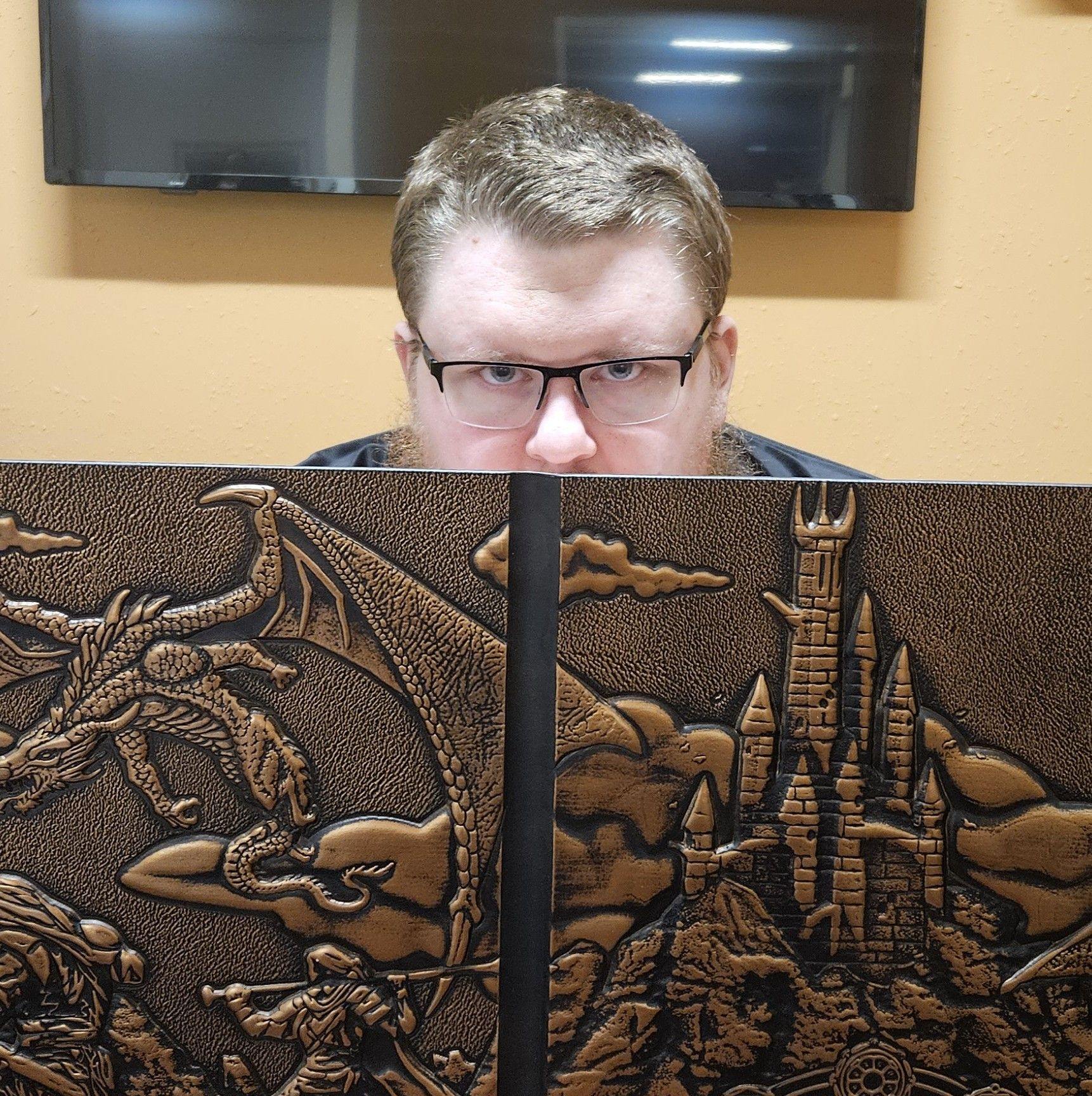
Host & Creator of Crit Happens
He is a lifelong gamer with a strong love for immersive worlds and shared experiences. He spends a lot of time in Fortnite for fast, competitive chaos, Baldur’s Gate III for deep storytelling and meaningful choices, and Phasmophobia for its tense teamwork and atmosphere. He is a huge nerd at heart and enjoys getting lost in lore, systems, and the small details that make games feel alive.
Music plays a constant role in his life. His taste pulls from many genres and moods, shifting with the moment rather than sticking to a single style. If a song has energy or emotion, it earns a place in his rotation.
He is a first time Dungeon Master running his first full campaign. Learning how to guide players, manage rules, and build memorable moments has been both challenging and deeply rewarding for him. At his core, he values connection. He loves meeting new nerds, sharing stories, and building community around a shared love of games and tabletop storytelling.
Why Community Matters More Than Numbers