Balancing Narrative Consequences Without Punishing Players
One of the hardest lessons a Dungeon Master learns is that consequences are not the same thing as punishment. They can look similar on the surface. Something goes wrong, the world responds, and the party feels the weight of that response. But where punishment breeds resentment, consequences build trust. The difference is intention, clarity, and fairness. In a living world like Virelios, consequences are not there to teach players a lesson. They exist because the world is awake, watching, and capable of change.
In Crit Happens, consequences rarely arrive as sudden failure states. They unfold. When the party makes a choice, the fallout echoes outward through factions, locations, and people who were already in motion long before the players arrived. This is critical. A consequence should feel like a continuation of knowing forces, not a trapdoor triggered by a bad roll. When the Dominion tightens its grip on a city or the Syndicate marks an operation as compromised, it is because those groups have goals, fears, and systems of response. The players are not being punished. They are being taken seriously.
Fair fallout begins with informed choice. Players must understand the stakes well enough to own the outcome. This does not mean revealing every secret or showing every card, but it does mean clarity of tone. If a situation feels dangerous, unstable, or politically volatile, the world should telegraph that. Rumors, body language, warnings from NPCs, and environmental details all do this work quietly. When consequences arrive later, players should be able to say, “Yeah, that tracks.” That sentence is the gold standard.
Earned loss is another pillar. Loss without meaning feels cruel. Loss that comes from a clear chain of decisions feels tragic, powerful, and memorable. In Virelios, loss often takes the form of opportunity rather than annihilation. A contact goes dark. A safe route closes. A faction no longer offers aid. These moments hurt, but they do not erase player agency. Instead, they reshape the map. Players still move forward, just along a different path, one they helped carve.
Trust at the table is built when players believe the DM is not keeping score. Spite kills that trust instantly. If consequences feel personal, reactive, or disproportionate, players stop engaging honestly. They hedge. They play smaller. The solution is consistency. The same actions should produce similar responses across time and context. If betrayal draws retaliation once, it should do so again later. If mercy softens a faction’s stance early in the campaign, that pattern should hold. Consistency tells players the world has rules and those rules are not changing just to swat them down.
Separating consequence from spite also means allowing recovery. Consequences should complicate the story, not close it. A burned bridge might be rebuilt at great cost. A ruined reputation might be reclaimed through sacrifice or service. These arcs give players something crucial: hope with effort attached. They reinforce that the world responds to action, not alignment labels or DM mood.
In Virelios, the most powerful consequences often arrive quietly. A ledger entry stamped in ash. A title removed without ceremony. A city gate that no longer opens when the party approaches. These moments land because they respect player intelligence. They do not shout, “You failed.” They whisper, “The world has changed.”
When players trust that consequences are fair, they take bolder risks. They argue in character. They commit to choices that scare them. That is where real storytelling lives. Not in protecting players from loss, and not in punishing them for daring to act, but in honoring their decisions with a world that listens and responds honestly.
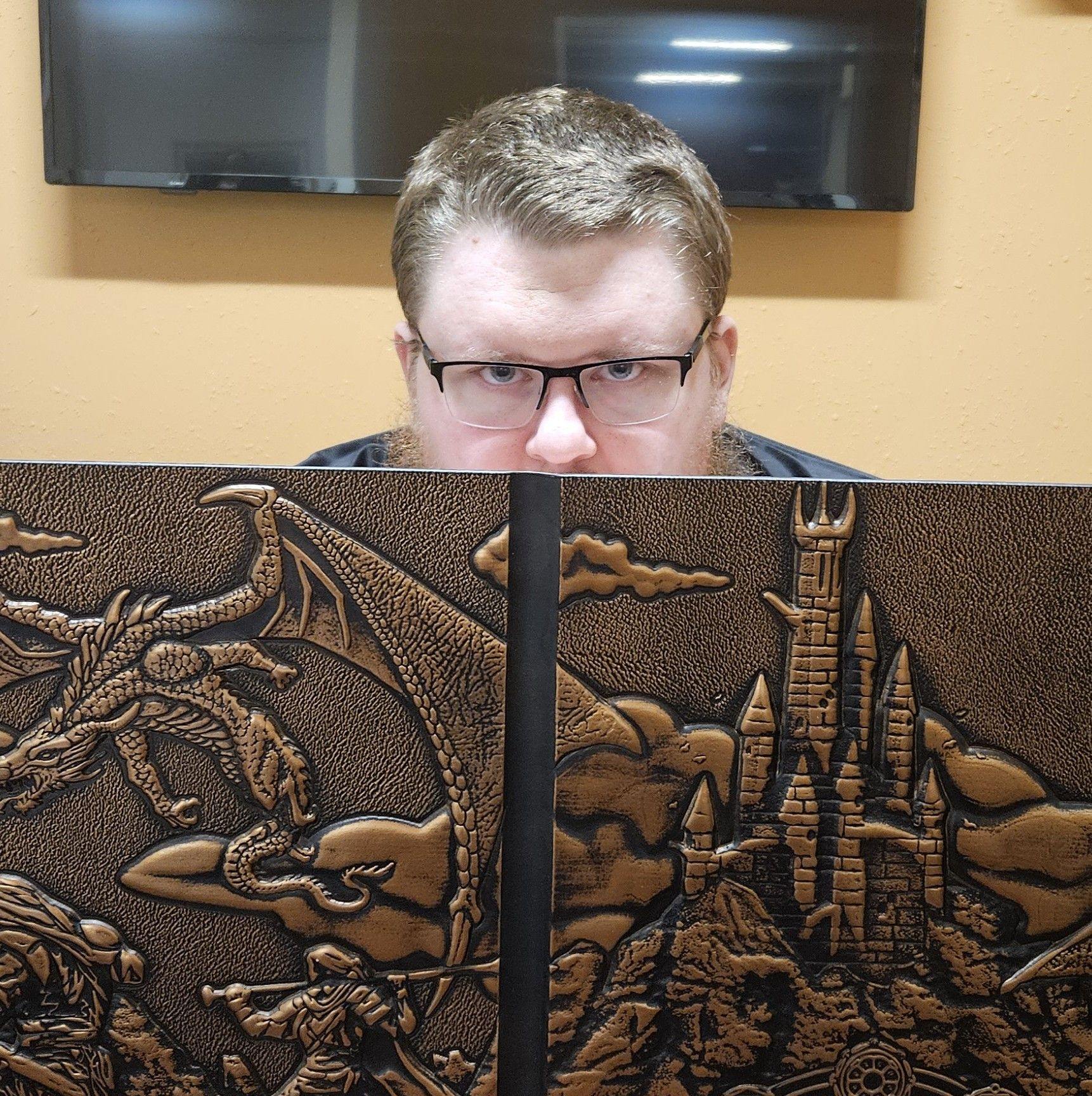
Host & Creator of Crit Happens
He is a lifelong gamer with a strong love for immersive worlds and shared experiences. He spends a lot of time in Fortnite for fast, competitive chaos, Baldur’s Gate III for deep storytelling and meaningful choices, and Phasmophobia for its tense teamwork and atmosphere. He is a huge nerd at heart and enjoys getting lost in lore, systems, and the small details that make games feel alive.
Music plays a constant role in his life. His taste pulls from many genres and moods, shifting with the moment rather than sticking to a single style. If a song has energy or emotion, it earns a place in his rotation.
He is a first time Dungeon Master running his first full campaign. Learning how to guide players, manage rules, and build memorable moments has been both challenging and deeply rewarding for him. At his core, he values connection. He loves meeting new nerds, sharing stories, and building community around a shared love of games and tabletop storytelling.
Why Community Matters More Than Numbers